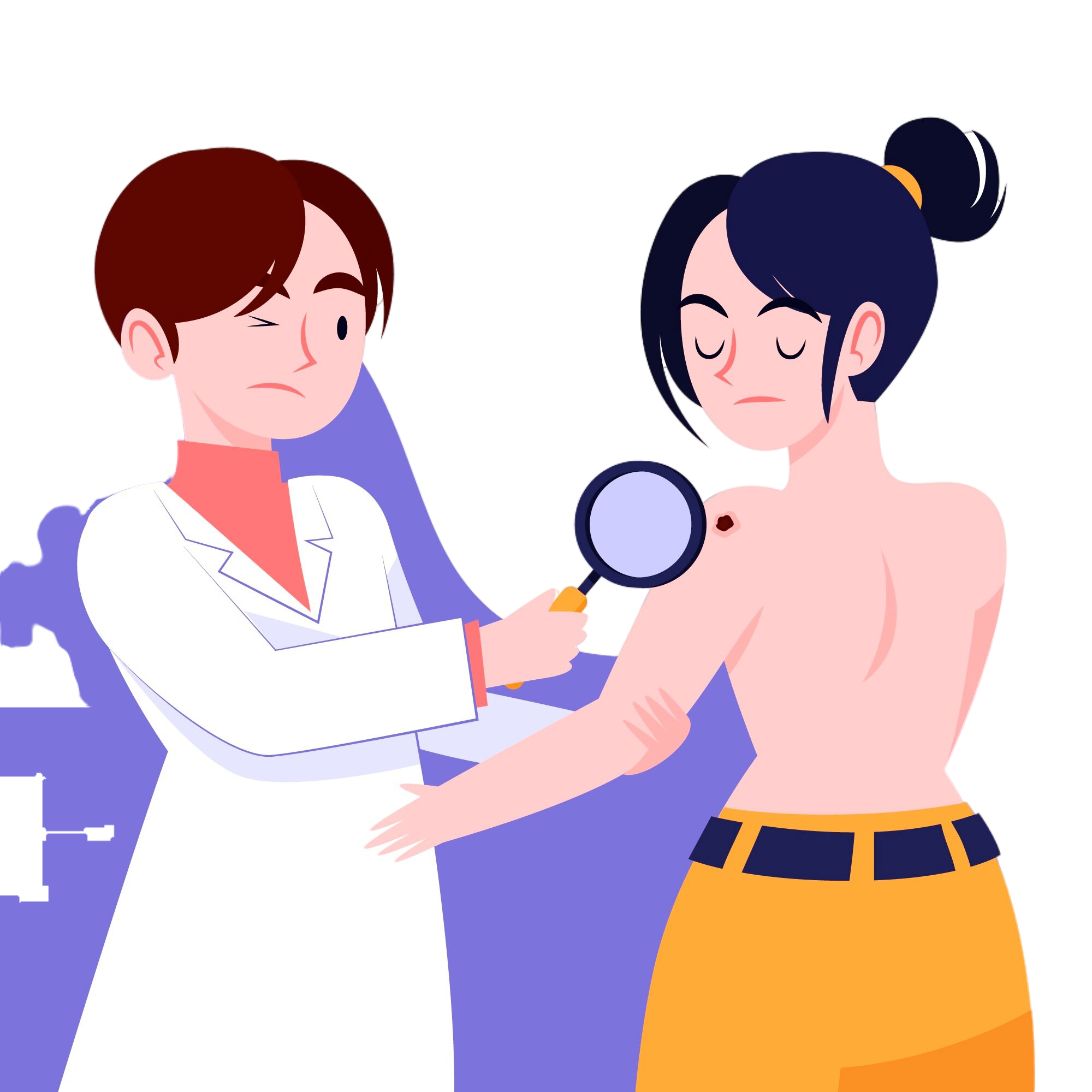
What is a Sebaceous Cyst?
A sebaceous cyst, also known as an epidermoid or keratin cyst, is a non-cancerous, closed sac beneath the skin filled with a fatty, white, semi-solid substance called keratin. These cysts typically develop on the face, neck, back, and sometimes on other parts of the body. They are generally slow-growing and benign, but they can become swollen, painful, or infected.
Causes of Sebaceous Cysts
Sebaceous cysts are caused by the blockage of sebaceous glands or hair follicles. Several factors can contribute to their development, including:
- Trauma or Injury: Damage to the skin or hair follicles can lead to cyst formation.
- Swollen Hair Follicles: Blocked follicles filled with keratin and oil.
- Genetic Factors: Certain inherited conditions, such as Gardner’s syndrome or basal cell nevus syndrome, can predispose individuals to develop multiple cysts.
- Skin Conditions: Acne and other skin conditions that affect the hair follicles.
Symptoms of Sebaceous Cysts
The symptoms of sebaceous cysts can include:
- Round Bump: A small, round lump under the skin.
- Movable Lump: The cyst is usually easy to move when touched.
- Painless: Most cysts are painless, but they can become tender if infected or inflamed.
- Visible Pore: A small, dark opening on the surface of the cyst.
- Slow Growth: Cysts typically grow slowly over time.
- Redness and Swelling: If the cyst becomes infected, it may become red, swollen, and painful, and it may drain pus.
Diagnosis of Sebaceous Cysts
Diagnosis usually involves:
- Physical Examination: A healthcare provider will examine the lump and evaluate its characteristics.
- Medical History: Review of symptoms and any prior occurrences of cysts.
- Imaging Studies: Ultrasound or MRI may be used to confirm the diagnosis and assess the cyst’s size and depth if needed.
- Biopsy: In rare cases, a small tissue sample may be taken to rule out other types of growths.
Benefits of Treating Sebaceous Cysts
The benefits of treating a sebaceous cyst include:
- Relief from Discomfort: Alleviation of any pain, tenderness, or discomfort caused by the cyst.
- Cosmetic Improvement: Enhanced appearance if the cyst was causing visible deformity.
- Prevention of Complications: Avoiding potential complications such as infection or rupture.
Conclusion
Sebaceous cysts are common, benign growths that typically do not cause serious problems. Understanding the causes, symptoms, and treatment options can help individuals manage the condition effectively. If you notice a lump or have concerns about a sebaceous cyst, consult a healthcare professional to discuss the best course of action for your situation.